


speedy-seeds.co.uk
Stinging Nettle Seeds | Urtica Dioica | 5000+ seeds | Very High in Nutrients
Couldn't load pickup availability
Please find for sale 5000+ (2g) of Stinging Nettle seeds. More nutritious and versatile in the kitchen than Kale and Spinach - and a heck of a lot easier to grow with nettle patch providing leaves year-on-year for very little effort!
Why grow stinging nettles?
Food and Health Value
- Nutritional powerhouse: Young spring leaves are packed with iron, calcium, magnesium, and vitamins A, C, and K.
- Edible greens: Once cooked or dried, the sting disappears completely, and they can be used just like spinach in soups, pies, quiches, teas, and pestos.
- Herbal medicine: Traditionally used to ease joint pain, arthritis, and seasonal allergies.
Supporting Wildlife
- Butterfly host: Serves as an essential food source and breeding ground for caterpillars of butterflies like the Red Admiral, Peacock, and Small Tortoiseshell.
- Beneficial insects: Attracts ladybirds and other predators that help control pests in the wider garden.
- Biodiversity: Invites birds to eat the seeds in autumn and provides safe shelter for small beneficial creatures.
Garden and Soil Benefits
- Compost activator: High nitrogen and mineral content makes them an exceptional addition to speed up compost piles.
- Liquid fertilizer: Can be steeped in water to brew a nutrient-rich organic liquid feed for heavy-feeding crops like tomatoes.
-
Green mulch: Used in a chop-and-drop method to add vital nutrients back into garden soil.
What about the stings?!?!
So let's address the elephant in the room....isnt the clue in the name? Don't nettle leaves give bad stings. The answer is of course yes they do - the leaves should be harvested with gloves. However, they completely lose their sting when boiled, steamed, sautéed, or dried. The heat breaks down and neutralizes the tiny, needle-like hairs (trichomes) and the irritating chemicals inside them, making the tender leaves safe to handle and eat like spinach
INSTRUCTIONS - TO SAVE PAPER WE NO LONGER SEND OUT WRITTEN INSTRUCTIONS TO CUSTOMERS. INSTRUCTIONS ARE BELOW SO PLEASE BOOKMARK THIS PAGE.
NOTE: If growing as microgreens, some cold strastification very helpful. Simply place the seed packet in the fridge for 10-15 days.
Germination Guide
Prepare Soil: Use a rich, well-draining seed compost mix.
Ensure the surface is smooth and moist.
Sow on Surface: Sprinkle the tiny seeds directly onto the top of the compost mix.
Press the seeds down gently to ensure good contact with compost mix
Cover with a loose clear bags but with plenty of airholes/gaps
Provide Moisture and Warmth: Mist the soil carefully and ensure does not dry out
Keep warm (around 21°C / 70°F) in a bright spot out of direct sun.
Germination typically takes 10 to 14 days.
Keep the soil consistently damp during this time.
Cold Treatment: seeds will benefit from 2 to 4 weeks of cold, moist refrigeration (stratification) before sowing.
Transplanting: Once seedlings grow a few true leaves, move them into individual pots or space them 12 inches apart in an area where they can spread safely.
Location Choice: Plant them away from walkways because they sting. Consider using a container or raised bed since they spread fast through underground roots.
Materials
Materials
Shipping & Returns
Shipping & Returns
Dimensions
Dimensions
Care Instructions
Care Instructions


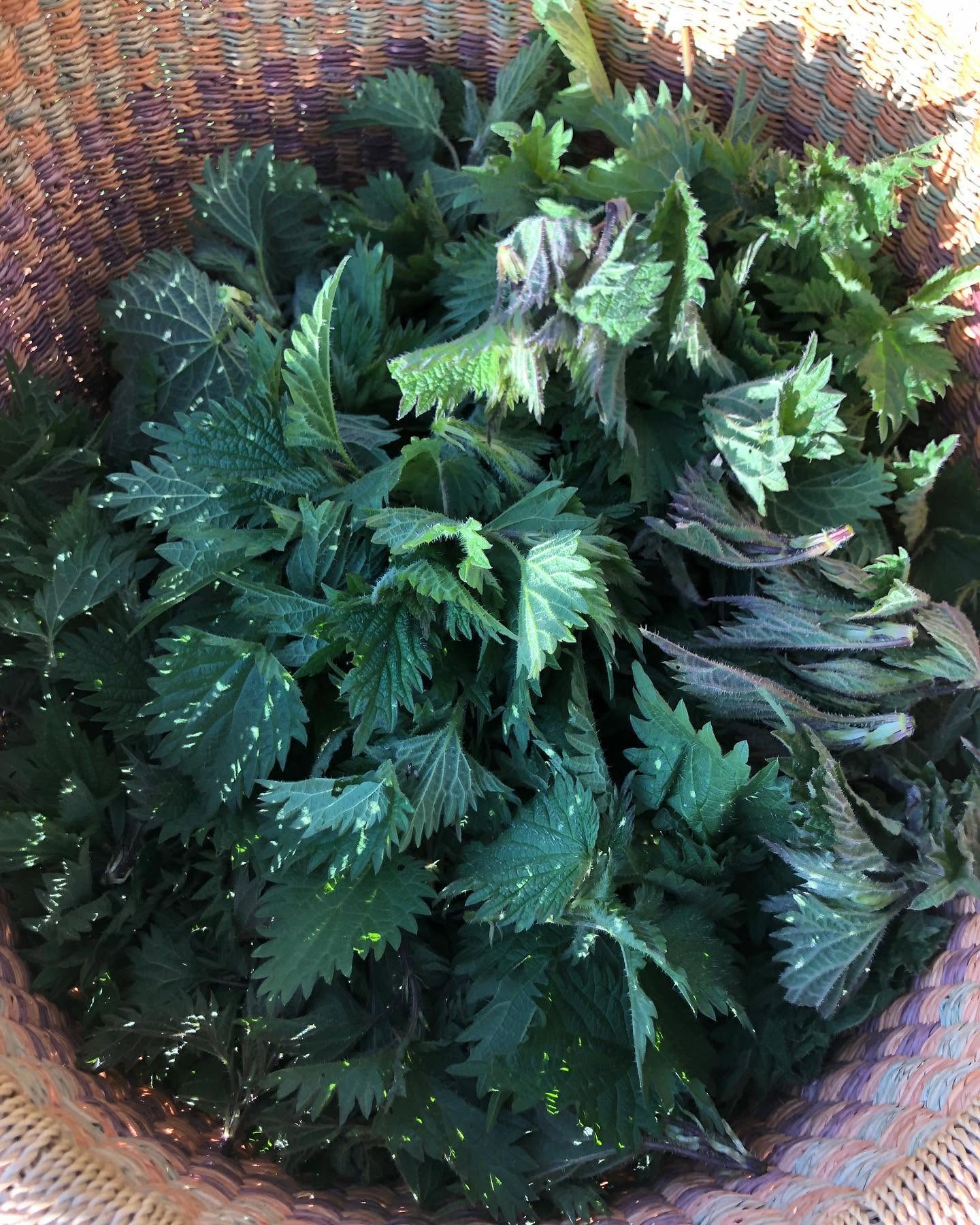
Image with text
Pair text with an image to focus on your chosen product, collection, or blog post. Add details on availability, style, or even provide a review.
-
Free Shipping
Pair text with an image to focus on your chosen product, collection, or blog post. Add details on availability, style, or even provide a review.
-
Hassle-Free Exchanges
Pair text with an image to focus on your chosen product, collection, or blog post. Add details on availability, style, or even provide a review.