


speedy-seeds.co.uk
Sea Buckthorn seeds | Hippophae Rhamnoides | 50+ seeds | Superfood
Couldn't load pickup availability
Please find for sale 50+ Sea Buckthorn seeds (Hippophae Rhamnoides)
INSTRUCTIONS - TO SAVE PAPER I NO LONGER SEND OUT WRITTEN INSTRUCTIONS TO CUSTOMERS. INSTRUCTIONS ARE BELOW SO PLEASE BOOKMARK THIS PAGE.
In other parts of the world, communities have known for generations about the health benefits of these berries, however, we now waking up to it here in the UK.
Why grow Sea Buckthorn?
Nutritional Powerhouse: The berries contain over 190 micronutrients, boasting higher levels of Vitamin C than oranges and being one of the only plant sources in the world that provides rare Omega-7 fatty acids, along with Omega-3, 6, and 9.
Skincare and Wellness: The fruit and its extracted oils are highly prized for moisturizing and healing properties, making them a popular ingredient in natural health and cosmetic products.
Exceptional Hardiness: It tolerates extreme winter temperatures, salty maritime winds, drought, and air pollution, surviving in poor, sandy soils.
Soil Improver & Protector: Sea buckthorn has a strong, deep root system that helps prevent soil erosion and stabilise shifting sands. Additionally, it fixes nitrogen in the soil, actively increasing overall land fertility over time.
Wildlife Friendly: The dense thickets provide excellent shelter for birds and insects, while the fruit serves as vital winter food for wildlife
Germination Guide
Buckthorn seeds have deep dormancy as as such benefit from "cold stratification". Stratification is a process of simulating natural conditions that the seeds must experience before germination can occur (if a seed germinates in the middle of winter it will die). In the wild, seed dormancy is usually overcome by the seed spending time in the ground through a winter period and having its hard seed coat softened up by frost and weathering action. This cold, moist period triggers the seed's embryo; its growth and subsequent expansion eventually break through the softened seed coat in its search for sun and nutrients.
Seeds can either be sown direct outside in Autumn and nature allow to take its course, or the process can be more controlled by keeping the seeds in the fridge then sowing indoors in Autumn as follows:
Get a handful or two of vermiculite, perlite or sterile compost (microwave compost in a plastic bowl for 3 minutes) then allow to cool.
Add a little water to the mix. Should be moist but not wet
Place in small ziplock bag
Place bag with remaining seed mix in bottom of the fridge for 8 weeks
Remove and put up any seeds that germinate during this period.
After the cold period, spread bag contents on a tray of moist compost.
Cover with circa 2cm of compost.
Keep in a warm place
Do not allow tray to dry out
Seedlings should emerge after 3-6 weeks
Materials
Materials
Shipping & Returns
Shipping & Returns
Dimensions
Dimensions
Care Instructions
Care Instructions


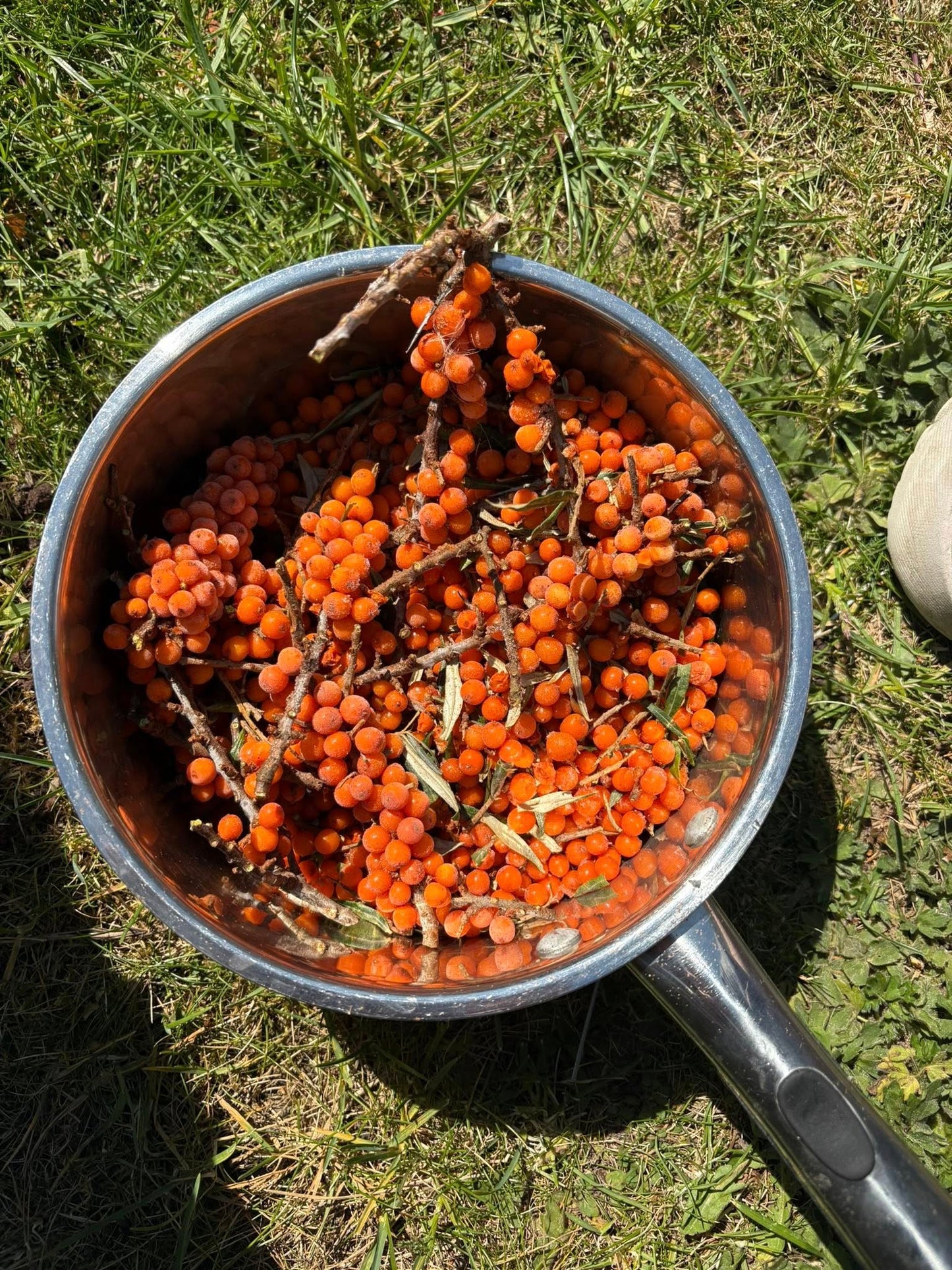
Image with text
Pair text with an image to focus on your chosen product, collection, or blog post. Add details on availability, style, or even provide a review.
-
Free Shipping
Pair text with an image to focus on your chosen product, collection, or blog post. Add details on availability, style, or even provide a review.
-
Hassle-Free Exchanges
Pair text with an image to focus on your chosen product, collection, or blog post. Add details on availability, style, or even provide a review.